
Costs and prices
Why Is the Same Apartment So Different in Price Across Sofia?
Open any listing site and you will find two flats of the same size, a few streets apart, with rents that differ by a surprising amount. It is rarely random. A landlord’s price is a bundle of small advantages and drawbacks, and once you can read them you can tell which flat is fairly priced, which one hides a cost, and where to compromise.
Start with the commute, not the district name
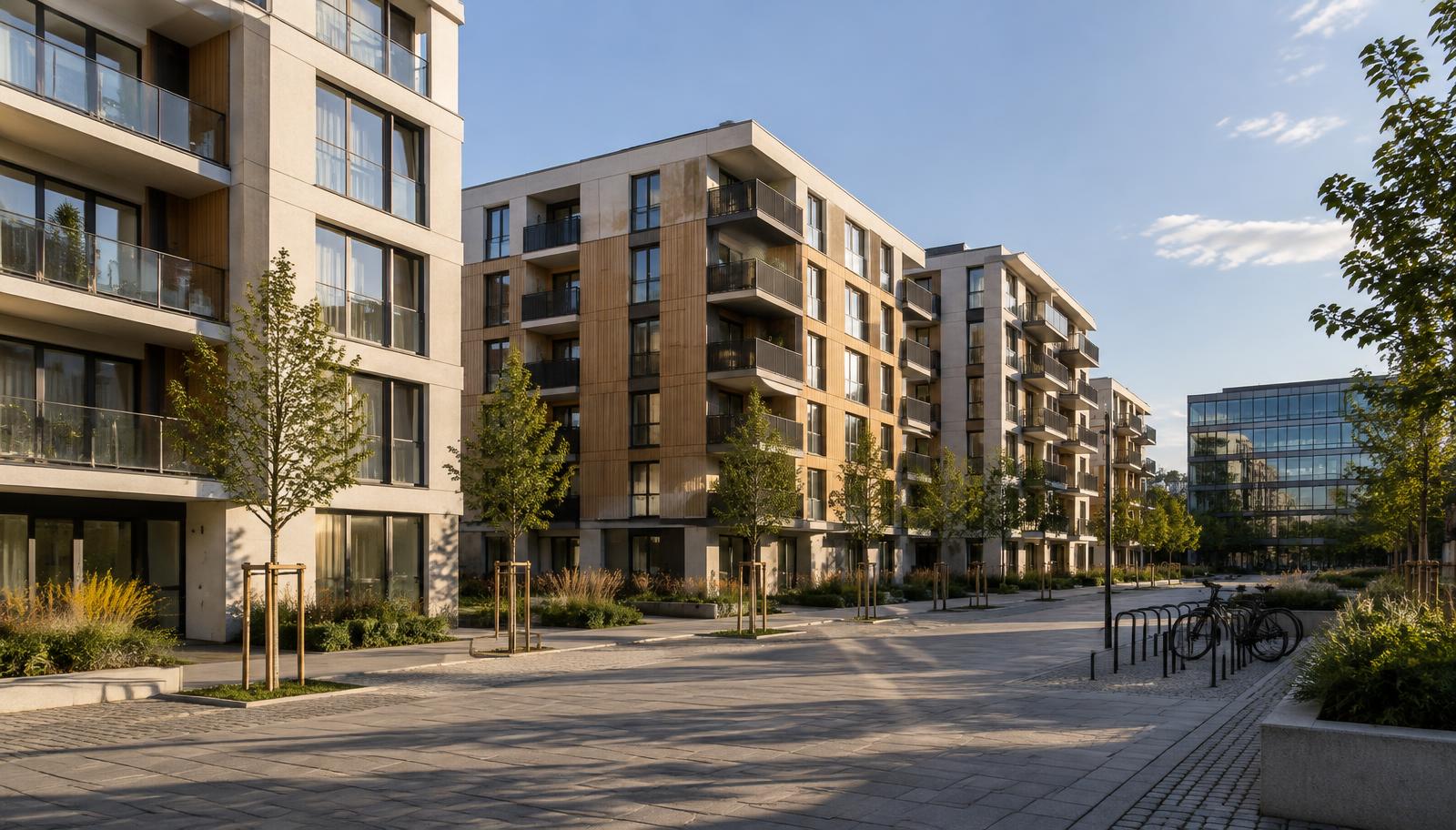
Transport is the most reliable driver of rent in a city built around a few metro lines. What counts is the real walk from the front door: five minutes to a metro station is a different proposition from fifteen minutes and a bus change. Two flats in the same district can sit on either side of that line.
Check the exact address on the metro map, then test the journey to your workplace at the time you would travel. Our neighbourhood guide compares areas by commute and lifestyle.
The neighbourhood sets the baseline
Areas close to the centre, to parks and to established amenities generally ask more than outlying districts. But the label on its own tells you little. Streets within one district can feel very different, and listings sometimes use a well-known district name for an address at its edge. Compare actual addresses, not district reputations.
Building quality is a hidden price factor
The building often matters as much as the flat. Look at:
- Age and construction. A newer building usually has better insulation, windows and wiring; an older one may have character but higher running costs.
- The lift. It is a major difference above the first few floors, especially with luggage, shopping or children.
- Entrance and common areas. A clean, lit, well-managed entrance suggests the owners pay attention to maintenance.
- Parking. A secure space, included or available nearby, can add real value in busy areas.
- The surroundings. Construction sites, busy boulevards, late-night venues and tram lines change how a flat feels to live in.
Floor and orientation
Ground floors can be quieter or noisier depending on the street, and security and privacy matter more there. Top floors tend to get more light and views, but can be hotter in summer and are more exposed to roof problems in older buildings. A south-facing flat is bright and warm in winter; a north-facing one is cooler in summer. None of these is universally better, and landlords price them differently, so decide what you value.
Heating changes the true cost
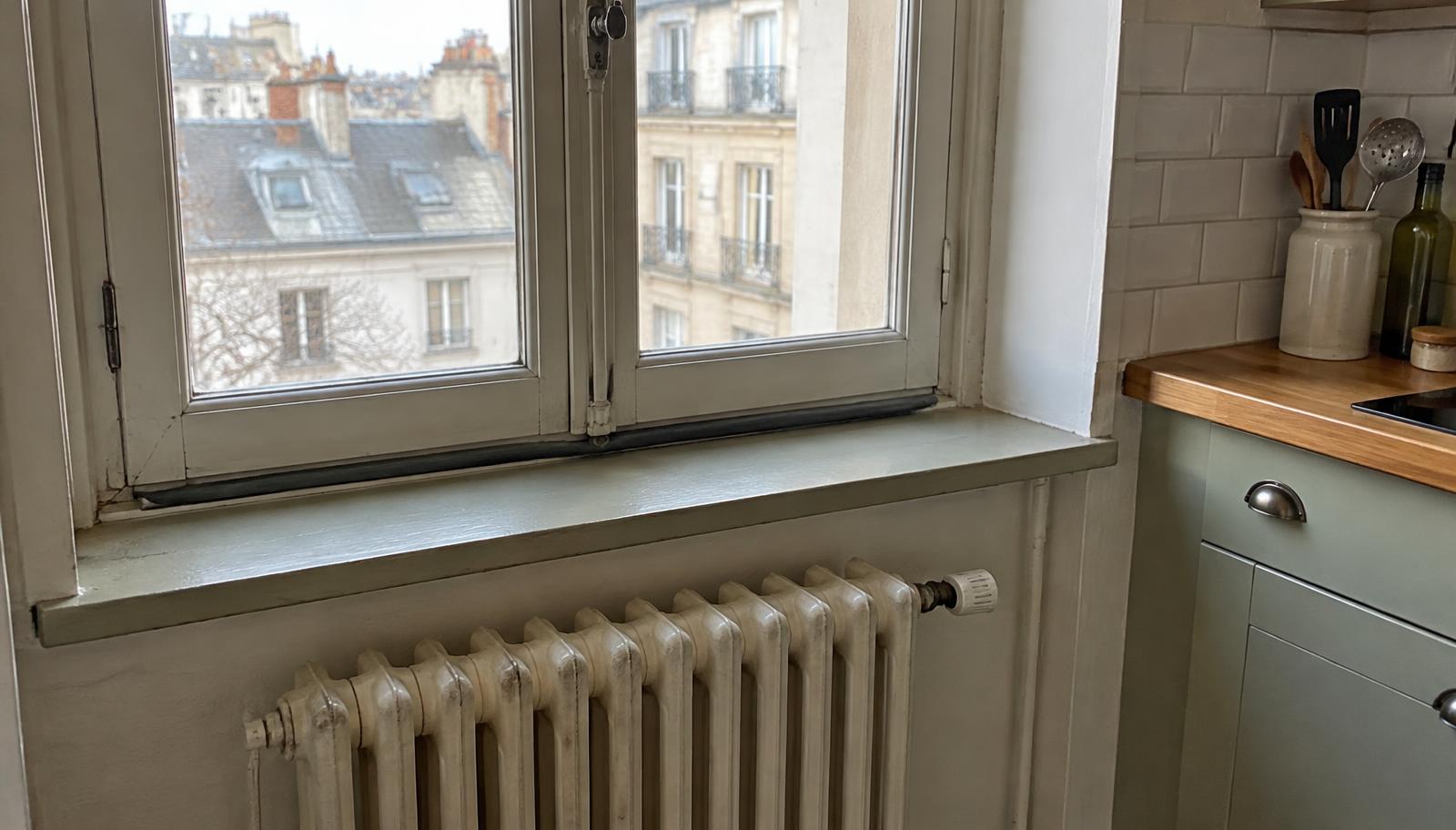
Two flats with the same rent can cost very different amounts to live in. District heating, gas, electric heating and air conditioning have different running costs and different bills, and the efficiency of the windows and walls matters as much as the system. A cheaper rent paired with expensive winter heating can cost more over the year. Ask for last winter’s bills, and read our guide to the hidden costs of renting in Sofia.
Furnishing and condition
A fully furnished, recently renovated apartment with modern appliances is easy to move into and is priced accordingly. An unfurnished flat can look cheaper but means buying furniture and appliances. “Furnished” can mean very different things, from a bed and a wardrobe to a complete, designer-equipped home, so ask for an inventory and check the condition at the viewing. A fresh renovation and a flat that merely looks clean are not the same: check the bathroom, windows and wiring.
Size and layout
Square metres are only part of it. A well-planned one-bedroom with a separate kitchen and a usable balcony can feel larger and be more valuable than a larger flat with awkward corridors. Bulgarian listings count rooms, including the living room, while international readers count bedrooms, so make sure you compare the same thing.
The landlord’s terms and the timing
Lease length, flexibility on pets, the deposit and how quickly the flat can be let all feed into the asking rent. A flat offered with a longer term or a quick decision may be more negotiable. Seasonality plays a part as well: demand tends to be higher when students and professionals arrive, so you may have more room to negotiate outside those periods.
Asking rent is not the final rent
The number in a listing is an opening position. What is actually agreed depends on how long the flat has been advertised, how it compares with similar flats and how well the tenant and landlord fit. Treat a listing as the start of a conversation, and compare flats by what you get for the total monthly cost rather than by rent alone.
A quick way to compare two flats
- Walk time to the nearest metro station or tram stop, and the commute to your destination.
- Lift, floor, orientation and noise.
- Heating type and a recent winter bill.
- What is included: furniture, appliances, parking, building fee.
- Condition of the bathroom, windows and kitchen.
- The total monthly cost, not only the rent.
Tell us your preferred areas and size in the apartment questionnaire for an indicative range. It reflects only size and area, so adjust it in your head for the factors above.
Sources and checks
Details last checked on 27 October 2026. This guide explains how rents are formed. It contains no rent statistics on purpose: asking prices move quickly and differ between sources. For an indicative range, use the estimate in our questionnaire, which only reflects apartment size and area.
- Metropolitan Sofia: official metro map — check which stations are within walking distance of an address
- Sofia District Heating (Toplofikatsia Sofia) — official prices and payment information for district heating
Looking for an apartment in Sofia?
Tell us your preferred areas, apartment size and budget in five short steps. We shortlist suitable long-term rentals and can accompany you to viewings.
Related guides
The Hidden Costs of Renting in Sofia
Deposits, agency fees, heating, utilities and building fees: what you pay beyond the rent, what the law says, and what to ask before you sign.
Read the guide
How to Rent an Apartment in Sofia: A Guide for Expats
Finding an apartment, choosing a neighbourhood, understanding costs and contracts, and what to check at a viewing.
Read the guide
Apartment Viewing and Rental Contract Checklist for Sofia
How to prepare for a viewing, what to look at in the apartment, and the points to confirm in writing before you sign or pay.
Read the guide