
Costs and prices
The Hidden Costs of Renting in Sofia
The rent in a listing is rarely the whole bill. Between the deposit, a possible agency fee, winter heating and the fee for the building’s shared areas, the real monthly cost of a Sofia apartment can differ noticeably from the advertised figure. This guide shows where the extra costs hide, which points are fixed by law and which are simply common practice, and what to ask before you sign.
Law or habit? How to read this guide
Bulgarian residential leases fall under the general rules on rent in the Obligations and Contracts Act. There is no separate residential tenancy statute, which is why so much is left to the contract. Where something below is a legal rule we say so; where it is only how deals usually work, we call it common practice, which means you can negotiate it.
Before you move in: the upfront payment
The deposit
What the law says: legal commentary agrees that the law has no specific provisions on deposits. The amount, the conditions for keeping part of it and the deadline for returning it are left to the contract.
Common practice: a deposit of about one month’s rent is typical, and furnished or higher-end flats sometimes ask for more. Because nothing else protects you, put the amount, the return deadline and the permitted deductions in writing, and get a receipt.
The agency fee
An agency fee, when one applies, is a matter of agreement between you and the agency. Ask three things before viewing: whether you pay it, how it is calculated, and when it falls due. A fee that is payable only if you actually rent a property is a very different arrangement from one charged for viewings. Always ask for the terms in writing and an invoice or receipt.
The first month
Most landlords expect the first month’s rent at signing together with the deposit. Add the three together, plus any agency fee, and compare the total with your cash before you commit.
Every month: what sits on top of the rent
- Electricity and water, usually billed by meter.
- Heating, often the largest variable cost (see below).
- The building fee (in Bulgarian, такса вход) for shared areas.
- Internet and television, if not included.
- Gas, in buildings that use it for cooking or heating.
Ask the landlord for the last twelve months of bills, or at least a recent winter month and a summer month. Seasonal swings are the most common surprise.
Heating: the cost that changes with the season
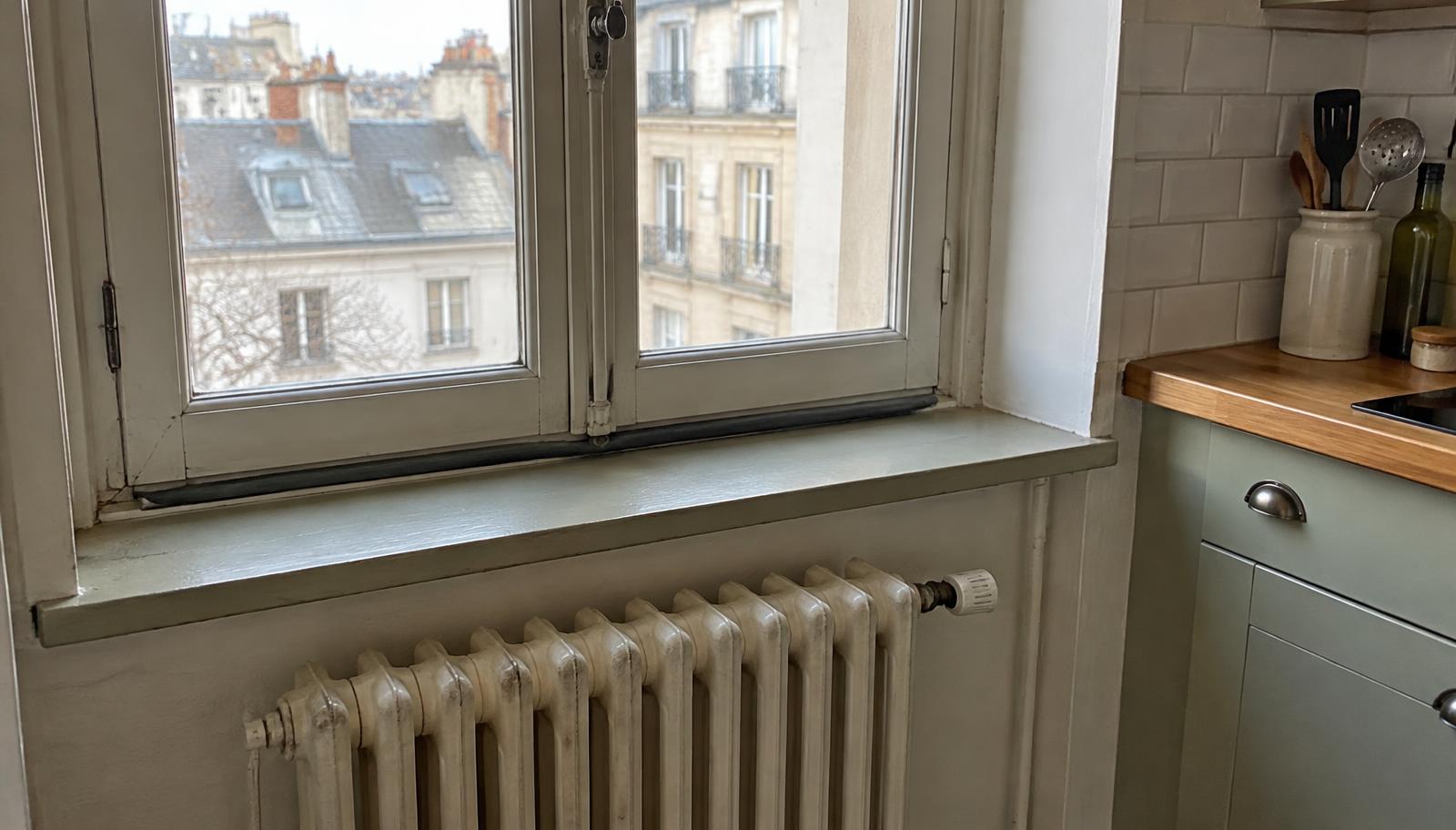
How an apartment is heated matters as much as the rent itself. Many Sofia flats use district heating, others use gas, electric heaters or air conditioning. Ask which applies and what a typical winter month costs.
With district heating, ask how the bills work. Sofia’s district-heating company issues regular bills and a yearly settlement, known in Bulgarian as an изравнителна сметка, so an apartment can carry a balance that only appears later. Settle with the landlord, in the contract, who pays for the period before you arrive and any adjustment that relates to your stay.
Whose name is on the account? The company’s own page on changing the account holder says a tenant can be registered as payer by applying with a copy of the lease, the property’s ownership deed and the owner’s notarised consent, and that registration carries a fee. It also describes the tenant as responsible for payments during the lease. Check the current requirements on the company’s site before you plan around this.
The building fee
What the law says: under the Condominium Management Act, the cost of managing and maintaining the shared parts of a building is divided among the people who live there, and tenants count as occupants. Towards the building, the duty to pay lies mainly with the owner.
Common practice: landlords often pass the fee on to the tenant. That is an agreement, not an automatic rule, so it should be written into the contract with the monthly amount.
Ask what the fee covers: cleaning, lighting, the lift, a caretaker. Contributions to a long-term repair fund are a different thing from day-to-day running costs, so agree in writing who bears them. Ask, too, about any extraordinary repair costs the building’s owners have already voted on.
Contract clauses that carry a price tag
A written contract is not required by law for a residential lease, but it is the only practical way to prove what was agreed. A date certified by a notary strengthens the contract; commentary notes it also matters if the owner sells the property during your stay. Read these clauses closely:
- Term and early exit. What is the minimum term, what notice is needed, and is there a penalty for leaving early? If you stay after the term with the landlord’s knowledge, the tenancy can become open-ended, and either side can usually end such a tenancy on one month’s notice.
- Rent changes. Can the rent be raised during the term, and how would that be agreed?
- Repairs. Commentary describes the landlord as responsible for keeping the property fit for use and the tenant as responsible for caring for it and reporting damage promptly. Contracts often shift small repairs to the tenant, so define what counts as small.
- Deposit return. The deadline, the handover inspection and the list of permitted deductions.
- End-of-lease costs. Cleaning, final meter readings, closing or transferring utility accounts.
- Late-payment penalties and any fees for extra occupants or pets.
For viewing and signing steps, our viewing and contract checklist goes through the documents and handover in detail.
Questions to ask before you sign
- What is the total I pay on signing: deposit, first month and any agency fee?
- Is there an agency fee, who pays it, and will I get an invoice?
- How is the apartment heated, and what were last winter’s bills?
- Whose name are the utility accounts in, and can I be registered as payer?
- What does the building fee cover, how much is it, and am I expected to reimburse it?
- Are there any unpaid utility or building balances from the previous tenant?
- When and how is the deposit returned, and what can be deducted?
- What are the notice period and early-exit terms?
A simple monthly budget
List the rent, then electricity, water, heating, internet, the building fee and an allowance for the winter months. Add the deposit and any agency fee to your one-off costs. Our apartment questionnaire gives an indicative rent range for the size and area you choose, but it does not include these running costs, so budget for them separately. For how apartment features move rents, read why similar apartments are priced so differently.
Sources and checks
Details last checked on 27 October 2026. The legal points are summarised from legal commentary, not from the statutes themselves, and Bulgarian rules can change. This guide is general information, not legal advice.
- Sofia District Heating (Toplofikatsia Sofia): changing the account holder — official procedure for a tenant to become the registered payer
- Kostov & Partners: rental contract in Bulgaria — law-firm overview of the Obligations and Contracts Act rules on leases
- EUI Tenancy Law Project: Bulgaria — academic overview of Bulgarian tenancy law
- Imoti.net: who pays what in an apartment block — the Condominium Management Act’s shared-cost rule (Art. 51), in Bulgarian
Looking for an apartment in Sofia?
Tell us your preferred areas, apartment size and budget in five short steps. We shortlist suitable long-term rentals and can accompany you to viewings.
Related guides
Why Is the Same Apartment So Different in Price Across Sofia?
Transport, building quality, floor, heating, furnishing and condition: the real reasons two similar apartments are priced very differently.
Read the guide
How to Rent an Apartment in Sofia: A Guide for Expats
Finding an apartment, choosing a neighbourhood, understanding costs and contracts, and what to check at a viewing.
Read the guide
Apartment Viewing and Rental Contract Checklist for Sofia
How to prepare for a viewing, what to look at in the apartment, and the points to confirm in writing before you sign or pay.
Read the guide