
Discover Sofia
Vitosha Mountain: The Local’s Guide to Escaping Sofia
One of Vitosha’s great gifts to Sofia is how close it is. You can finish breakfast in the city and be on a ridge above it by lunch. That closeness is also the trap: the mountain is a real mountain, with weather that can turn quickly and trails that range from an easy stroll to a long, steep day. This guide separates the two, and is honest about what you should check before you go.
What Vitosha is
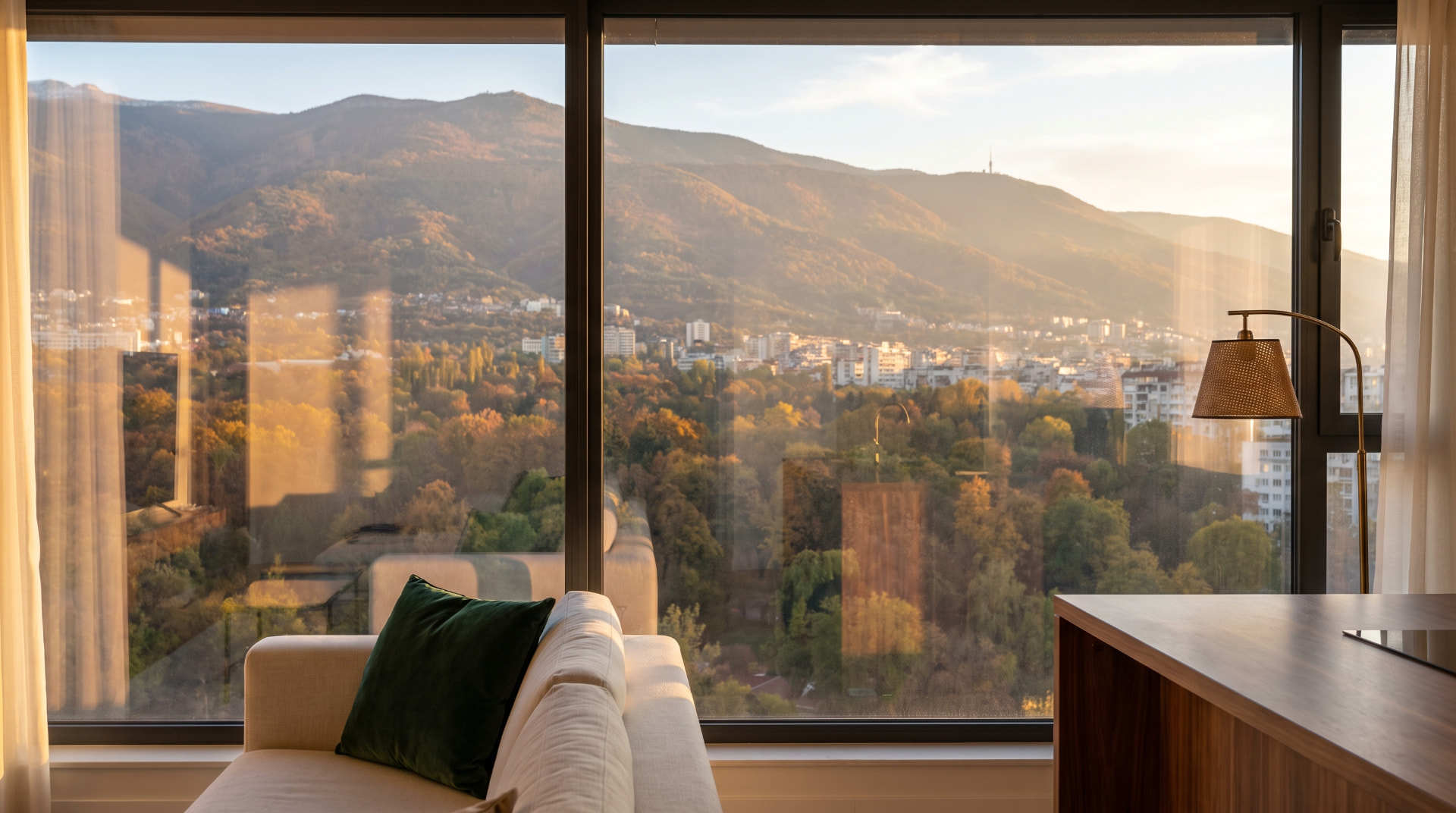
The mountain rises directly behind Sofia and is protected as Vitosha Nature Park. Its highest point, Cherni Vrah, is 2,290 m. The park’s best-known places include the Boyana Waterfall, the “stone river” of Zlatnite Mostove and the Aleko area, which is the usual starting point for the summit. The official Visit Sofia page introduces the park.
Getting there from the city
Bus 66 to Aleko
The public bus to the Aleko area is line 66, which runs from the Zoo, passes near Vitosha metro station and climbs through Dragalevtsi. Independent checks put the ride at roughly three quarters of an hour. Service is infrequent, and two cautions apply: the official timetable page appeared not to be fully up to date, and weekday and weekend patterns differ. Open the official timetable for your date, find the last bus back down, and save a screenshot.
Boyana and the western side
For the Boyana Waterfall and the road to Zlatnite Mostove, you start in Boyana. City buses reach Boyana, and 64 and 107 were reported as the usual lines; confirm the current route on a journey planner.
Taxi or car
A taxi or pre-arranged transfer is the flexible option, but agree the return pick-up, as a ride uphill does not guarantee one back. By car, the road from Dragalevtsi to Aleko is about 20 km from the centre. Reports say that from 1 December to 31 March private cars are barred on weekends and public holidays from 11:00 to 16:00 on the Dragalevtsi–Aleko and Boyana–Zlatni Mostove roads. Confirm before you drive.
Lifts: do not plan around them
Vitosha has a gondola from Simeonovo, a chairlift from Dragalevtsi and the Vitoshko Lale lifts at Aleko, and the information about them is contradictory. An independent lift tracker, checked on 29 September 2026, reported the Simeonovo gondola closed, the Dragalevtsi chairlift out of service, and the Lale lifts closed for maintenance until the winter season. The Mountain Rescue Service lists the lifts but showed no status when we looked, and the operator’s hiking page did not give operating details. Treat every lift as unconfirmed. Check with the operator, Ski Vitosha, on the day, and have a plan that works without one.
Easy walks
If you are new to the mountain, start around Aleko. The operator lists the walk from Aleko hut to Kamen Del and back as easy, at roughly one to two hours, with good yellow-and-black pole markings. It gives you the open ridge views without the commitment of a summit day.
Prefer a gentle outing near the city? The Boyana Waterfall is a well-known objective on the Boyana side. Be aware that the park’s official route from Boyana via the waterfall to Momina Skala hut is a two-hour climb with about 750 m of ascent, so go only as far as you are comfortable and turn around early.
Longer and more demanding hikes
The park publishes walking times and ascent for its routes. These are not strolls:
- Aleko to Cherni Vrah and back: the operator rates it medium, at about three to four hours. It is exposed, and the summit can be cold and windy even on a warm day in the city.
- Dragalevtsi to Aleko hut on foot: about 2 h 45 min and 1,050 m of ascent, according to the park.
- Simeonovo to Aleko hut on foot: about 3 h 15 min and 1,020 m of ascent.
- Knyazhevo to Zlatni Mostove via Bialata Voda: about 2 h 30 min and 690 m of ascent.
- Yarlovo to Cherni Vrah: about 5 h 10 min and 1,340 m of ascent; the park warns that parts can be hard to follow in poor visibility or without a clear path.
Some routes carry specific warnings. The park states that two of its Dragalevtsi routes cross avalanche-prone ground and may not be crossed in winter, and warns that the clearing of the abandoned Kopitoto cable car is extremely difficult and dangerous. It also notes a collapsed bridge on one route near Planinets. The page is undated, so treat these as reasons to ask locally before you pick a trail.
What to bring
- Sturdy shoes with grip, not city trainers, for anything beyond a flat track.
- Layers, a waterproof jacket, a hat and gloves: the summit is usually colder and windier than the city. In summer, sun protection too.
- Water and food. Do not assume a hut or kiosk will be open.
- An offline map or the park’s route description, a charged phone and a power bank.
- A headlamp if there is any chance of finishing late, and a small first-aid kit.
Safety
- Check the forecast and the sky. Mountain weather can change within the hour. The Mountain Rescue Service publishes safety advice, including what to do in a thunderstorm; read it on its Vitosha page.
- Set a turn-around time and keep to it, whatever the summit looks like.
- Stay on marked trails and tell someone your route and expected return.
- In winter, avalanche warnings and snow can change what is safe. Avoid avalanche-prone routes unless you have the training and the equipment.
- In an emergency call 112. The Mountain Rescue Service lists its central dispatcher on 02 963 2000 and 0887 100 237.
Living close to the mountain
Many people who move to Sofia choose a home with Vitosha as their weekend backyard. If that appeals, tell us in the apartment questionnaire; Boyana, Dragalevtsi and Simeonovo are among the areas you can choose. For a plan that mixes the mountain with the city, see A Weekend in Sofia, and for the medieval church at the foot of the mountain, Sofia Beyond the Postcards.
Sources and checks
Details last checked on 27 October 2026. Bus timetables, lift operations and trail conditions change often. Where sources disagreed we say so and ask you to confirm with the operator on the day. Route times are the park’s own figures for a typical walker and do not include rests.
- Visit Sofia: Vitosha Nature Park — official Sofia tourism site; landmarks and Cherni Vrah’s height
- Vitosha Nature Park Directorate: tourist routes — official park page, in Bulgarian: route times, ascents, closures and warnings; the page carries no update date
- Mountain Rescue Service (PSS): Vitosha — emergency contacts, weather stations, safety advice
- Ski Vitosha: recommended hiking routes — operator’s route difficulty and durations from Aleko
- Ski Vitosha: how to get there — operator’s access information
- Sofia public transport: bus line 66 timetable — official timetable; per independent checks it was not fully up to date, so cross-check
- Sofia City Guide: Vitosha lift status — independent site; lift status reported as checked on 29 September 2026
Thinking of living in Sofia?
Knowing the city helps you choose the right home. Tell us what you are looking for and we will help you find a long-term apartment that fits your routine.
Related guides
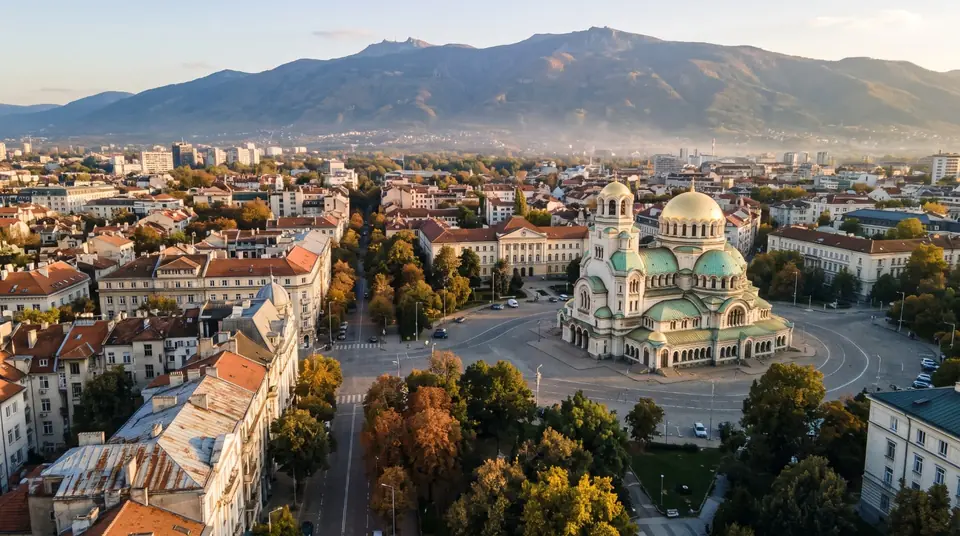
Sofia Beyond the Postcards: 8 Places Worth Discovering
A walkable route through central Sofia that pairs the famous landmarks with Roman ruins, a market hall, a socialist-art museum and a medieval church.
Read the guide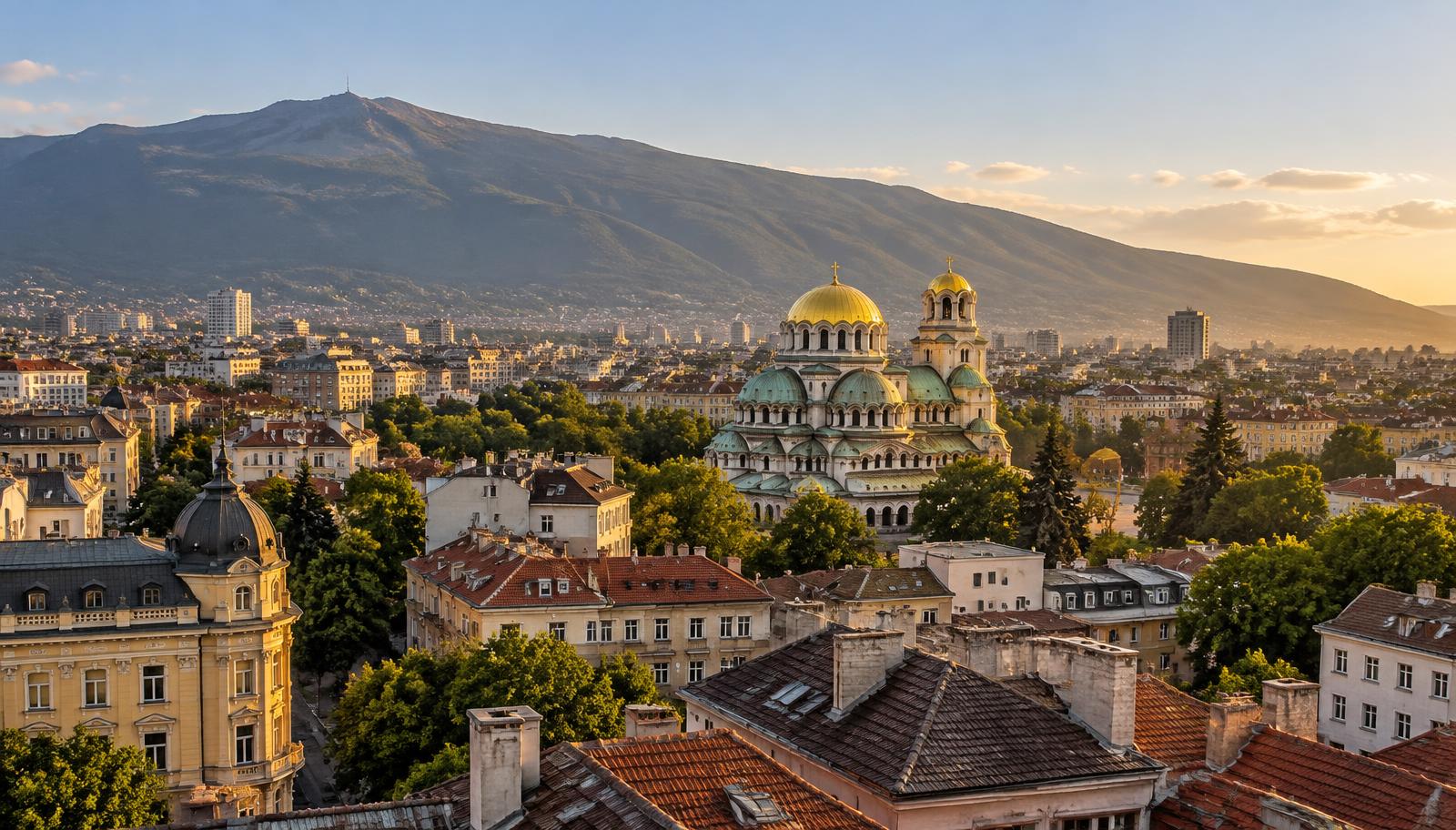
A Weekend in Sofia: City Streets, Great Food and a Day on Vitosha
A realistic two-day plan: a day of central Sofia and Bulgarian food, a day on Vitosha, and what to do instead when the weather turns.
Read the guide
How to Rent an Apartment in Sofia: A Guide for Expats
Finding an apartment, choosing a neighbourhood, understanding costs and contracts, and what to check at a viewing.
Read the guide